

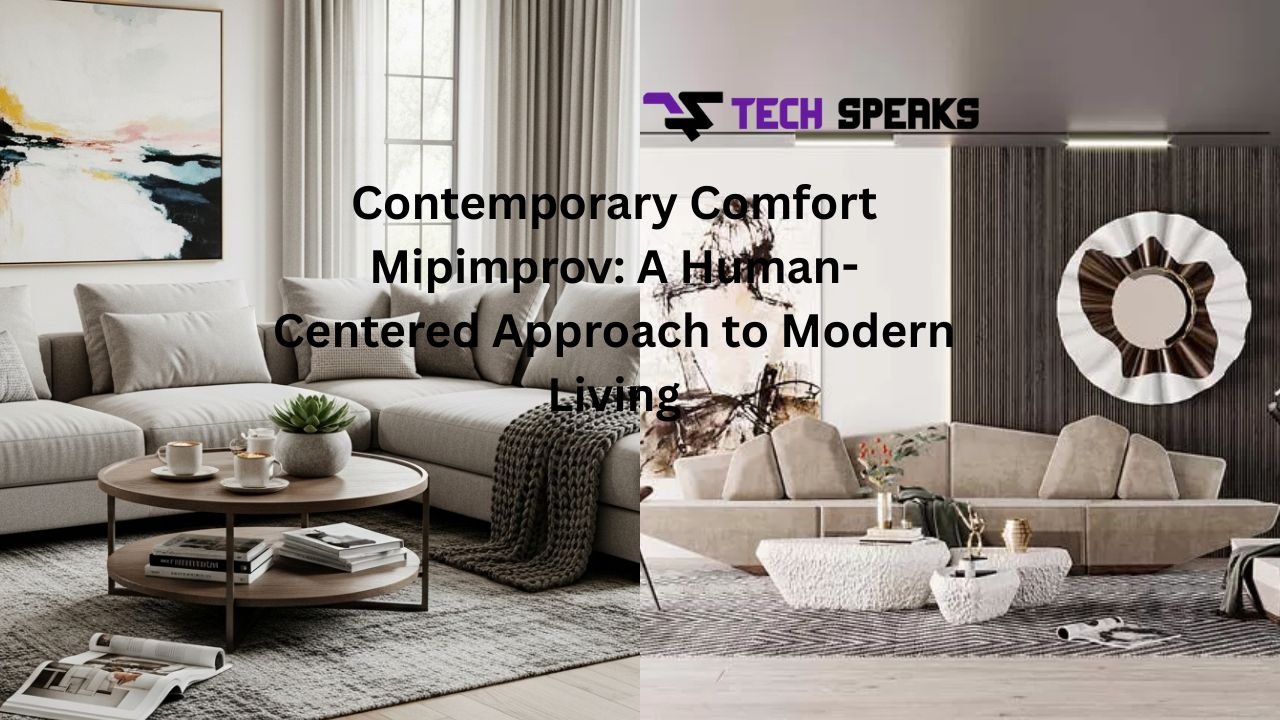
In a world that keeps moving faster, the idea of comfort is no longer just about having a cozy sofa or a warm blanket. Today, it’s about creating spaces and systems that support the way we live, work, and connect. That’s where the concept of contemporary comfort mipimprov comes into play—a fresh take on living that blends modern design, lifestyle adaptability, and user-centered functionality.
But what exactly does contemporary comfort mipimprov mean?
Let’s break it down and walk through how this idea can help you create a lifestyle that feels just right—for you.
What is Contemporary Comfort Mipimprov?
The term “contemporary comfort mipimprov” may sound technical, but at its core, it’s all about modern, flexible comfort. The word “mipimprov” is a blend of minimalist improvement and improvisation. It refers to making smart, minimal, and adaptable changes to improve how we feel in our environments—especially homes and workspaces.
In short, contemporary comfort mipimprov is about:
- Creating functional, beautiful spaces using simple upgrades
- Prioritizing well-being, flexibility, and ease of use
- Making intentional improvements without overcomplicating life
It’s a movement away from clutter and overdesign. Instead, it’s about spaces and systems that actually support the people using them.
Why Does Contemporary Comfort Matter Now More Than Ever?
Let’s face it—life isn’t slowing down. Between digital overload, tight schedules, and the rising cost of living, people crave simplicity and peace.
Take James, for example. He was working from home, juggling online meetings, a toddler, and a dog that thought the living room was his playground. His house was stylish, sure—but not functional. After learning about contemporary comfort mipimprov, he made small changes:
- Swapped his bulky desk for a modular one with built-in storage
- Replaced cluttered decorations with calming natural textures
- Added a reading nook that doubled as a Zoom background
The result? His space started working for him—not against him. That’s the power of comfort-driven design.
Key Elements of Contemporary Comfort Mipimprov
Let’s dive into the building blocks of this lifestyle. These are the essential areas where contemporary comfort shines.
1. Minimalist Functionality
Forget fancy for fancy’s sake. At its heart, contemporary comfort mipimprov focuses on what works best with the least effort.
Think:
- Multi-use furniture like ottomans with storage
- Wall-mounted shelves instead of bulky bookcases
- Open layouts that can be easily rearranged
Pro tip: Start by decluttering. Keep only what adds value, joy, or practicality to your life. Donate or recycle the rest.
2. User-Centered Design
Spaces should adjust to you—not the other way around.
This means:
- Lighting that changes with your mood or time of day
- Workstations that support both sitting and standing
- Layouts that make daily tasks easier
Look at Maya, a freelance designer. She transformed her cramped apartment into a studio that served her creativity. She used soft partitions to define spaces without walls and integrated smart lighting that shifted as her day progressed. Her home now adapts to her needs—not the other way around.
3. Sensory Comfort
This is often overlooked. Contemporary comfort isn’t just visual—it engages all the senses.
To bring in sensory ease, consider:
- Soft textures underfoot like woven rugs
- Natural scents from essential oil diffusers
- Soft ambient sounds or quiet zones
Even something as simple as switching to dimmable lights or installing soundproof curtains can radically change your comfort levels.
Step-by-Step Guide to Achieve Contemporary Comfort in Your Space
Now that you understand the core ideas, let’s look at how to bring contemporary comfort mipimprov into your everyday life. Follow these steps:
Step 1: Observe and Reflect
Spend a few days noticing how you use your space. Ask yourself:
- Where do I feel most relaxed?
- What areas stress me out?
- What’s always in the way?
Write these down. This will help you make targeted improvements.
Step 2: Clear the Clutter
Get rid of what you don’t use or love. This opens up space—both physically and mentally. Use this rule: If it doesn’t serve a purpose or bring joy, it goes.
Step 3: Prioritize Flexible Furniture
Look for pieces that can serve multiple purposes. For example:
- A bench that doubles as storage
- A coffee table that adjusts height
- A bed with underframe drawers
Step 4: Use Zones, Not Rooms
If you have a small home, this tip is gold. Instead of thinking in terms of rooms, create activity zones. These can be marked by rugs, shelves, or lighting.
Example zones:
- A reading corner by a window
- A yoga mat tucked behind a sliding door
- A mini office carved into a hallway
Step 5: Layer Your Lighting
Avoid harsh overhead lights. Instead, layer different types of light:
- Task lighting for work
- Soft lighting for evenings
- Accent lights to create mood
Smart bulbs make this even easier—you can change colors and brightness with your phone.
Step 6: Add Natural Touches
Bringing nature indoors instantly boosts comfort.
Ideas:
- Add low-maintenance plants
- Use wood, stone, or linen textures
- Let in natural light as much as possible
How Technology Supports Contemporary Comfort
We can’t ignore how smart tech plays into this.
Use it to:
- Automate heating and lighting
- Control blinds remotely
- Monitor air quality and adjust humidity
Devices like smart thermostats or voice assistants are tools—not distractions—when used wisely. They help shape a smoother daily routine.
Common Mistakes to Avoid
While designing for contemporary comfort, people sometimes fall into traps. Watch out for these:
- Over-minimalizing
Comfort needs warmth. If your space feels cold or sterile, bring in texture, color, and personal touches. - Forgetting Function
A sleek sofa that’s uncomfortable doesn’t belong here. Always put feel above look. - Buying Trendy Over Timeless
Avoid impulsive purchases. Ask: Will this still work for me a year from now? - Not Thinking Long-Term
Choose materials and layouts that will grow with your needs—not just fit a temporary phase.
Benefits of Living with Contemporary Comfort
This approach isn’t just about aesthetics—it truly transforms how you live. Here’s how:
- Less stress: A streamlined, functional environment reduces mental load.
- More time: You’ll spend less time cleaning, searching, or adjusting.
- Better well-being: Comfort-focused design boosts sleep, mood, and productivity.
- Greater adaptability: Your space can shift with your lifestyle—whether that means remote work, guests, or downtime.
Final Thoughts
At its core, contemporary comfort mipimprov is a quiet revolution. It doesn’t shout with flashy trends or expensive makeovers. Instead, it works behind the scenes—through small, intentional choices that make life smoother and more satisfying.
Whether you live in a tiny apartment or a spacious house, this concept fits. Start small. Improve slowly. Let your space evolve to support you.
