

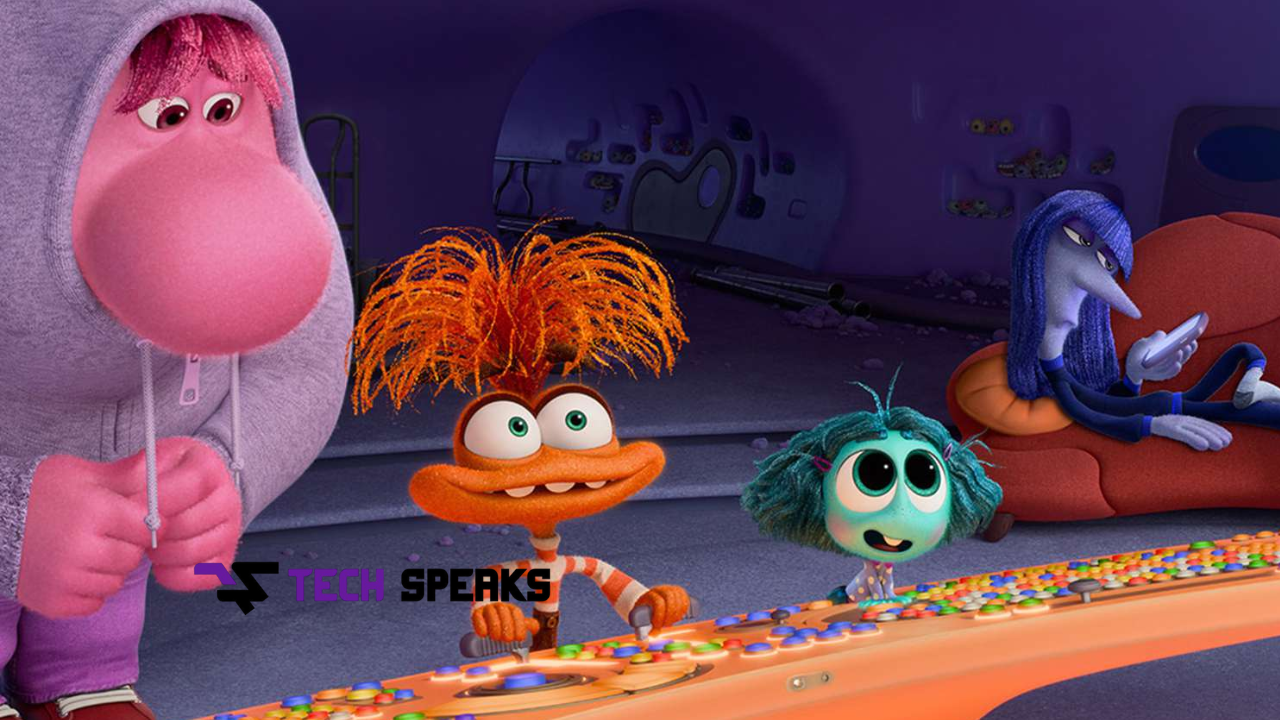
Disney and Pixar’s Inside Out 2 takes us back inside the mind of Riley, the girl we first met in Inside Out (2015). This time, Riley is a teenager, which means her emotions are changing and becoming more complicated. In this article, we’ll explore all the Inside Out 2 emotions, meet the new ones, revisit the original ones, and understand how they work together inside Riley’s mind.
Who Are the Emotions in Inside Out 2?
In Inside Out 2, emotions are characters that live inside Riley’s head. They help guide her thoughts, decisions, and behaviors. The first film introduced us to five emotions—Joy, Sadness, Anger, Fear, and Disgust. These emotions were enough to handle childhood challenges. But now, Riley is older, and new emotions join the team to help her face teenage struggles.
Each emotion has a unique role in shaping Riley’s personality. Together, they make sure she reacts in ways that match her feelings. As Riley grows, these emotions don’t just argue with each other—they must learn to work as a team to help Riley navigate the ups and downs of adolescence.
Meet the New Emotions in Inside Out 2
The biggest change in Inside Out 2 is the introduction of new emotions. Since Riley is now a teenager, her feelings are more complex, and Pixar introduces new characters that represent these advanced emotions.
Some of the newly introduced emotions include Anxiety, Embarrassment, Envy, and Ennui (boredom). These emotions may sound negative at first, but each of them plays an important role in shaping Riley’s teenage years. For example, Anxiety makes her worry about the future, while Envy makes her compare herself to others. Embarrassment helps her care about how people see her, and Ennui represents the feeling of being bored or uninterested—something almost every teen experiences.
All Inside Out 2 Emotions Names (Old and New)
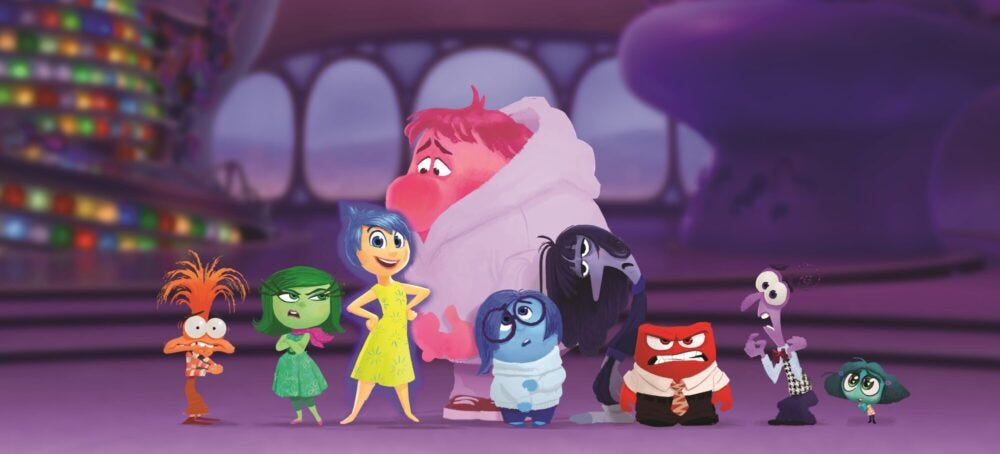
To fully understand Inside Out 2, it helps to know all the emotions inside Riley’s head. Pixar carefully selected emotions that represent both childhood and teenage life.
Original Emotions
The five original emotions from the first film return in Inside Out 2:
- Joy – The bright and optimistic leader who always looks for the positive side.
- Sadness – Gentle and empathetic, she shows the importance of expressing true feelings.
- Anger – Short-tempered but passionate, he makes sure Riley stands up for herself.
- Fear – Nervous but cautious, he keeps Riley safe from possible dangers.
- Disgust – Sassy but protective, she helps Riley avoid things she doesn’t like.
New Emotions in Inside Out 2
The sequel adds new emotions to reflect Riley’s teenage struggles:
- Anxiety – Always thinking ahead, worrying about “what could go wrong.”
- Embarrassment – Shy and self-conscious, always worried about being judged.
- Envy – Always wanting what others have, from talents to friendships.
- Ennui (Boredom) – A laid-back, uninterested emotion who reflects teenage detachment.
What Emotions Are in Inside Out 2?
When we put it all together, Riley’s mind now has nine main emotions—five returning from the original and four brand new ones. This expanded cast makes the story richer and more relatable, especially for older kids and teenagers who understand these complicated feelings.
What Do the Emotions Do in the Movie?
In Inside Out 2, the emotions work inside Riley’s mind headquarters, controlling how she reacts to situations in her teenage life. Joy tries to stay positive, but Anxiety often takes over because Riley is worried about her future. Embarrassment and Envy bring new challenges, while Ennui makes her feel uninterested in things she once enjoyed.
Each emotion takes turns at Riley’s “control panel.” Depending on the situation, one emotion might be louder or more dominant than the others. For example, during a nerve-wracking hockey tryout, Anxiety might be in charge. But when Riley is laughing with friends, Joy shines through. This back-and-forth is what makes the film funny, emotional, and deeply relatable.
Why New Feelings Were Added in Inside Out 2
The addition of new emotions is not just for fun—it’s essential to showing how Riley is changing. As a child, simple emotions like Joy, Sadness, and Anger were enough to guide her. But teenage years come with complex feelings like self-doubt, social pressure, and the desire to fit in.
By adding emotions like Anxiety and Embarrassment, Pixar gives viewers a way to understand that these feelings are normal. It also shows kids that it’s okay to have uncomfortable emotions. Even though they can feel overwhelming, they are part of growing up. This message is one of the reasons parents love the movie—it teaches emotional intelligence in a fun and accessible way.
Inside Out 2 Characters and Voices for Emotions
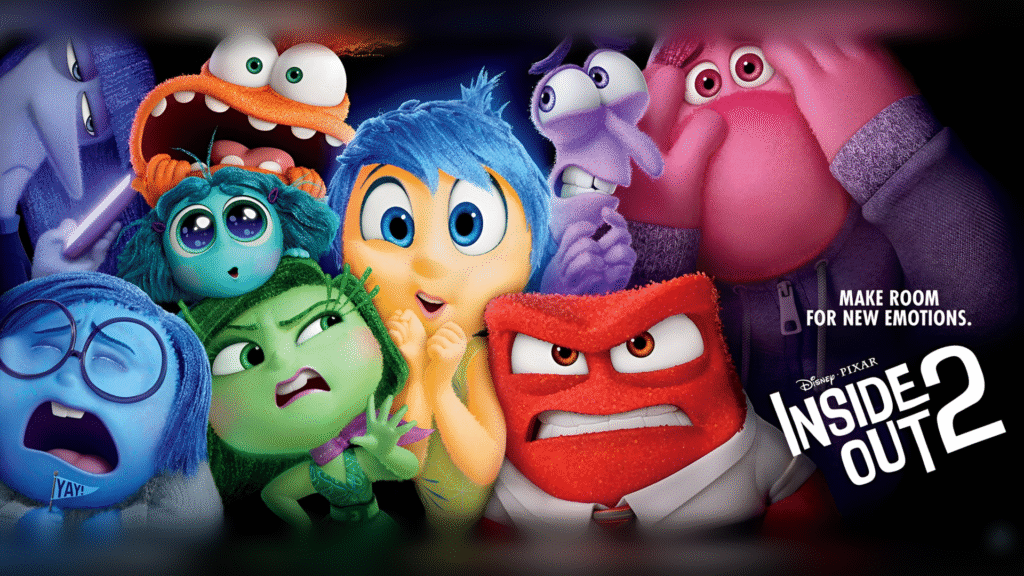
Pixar movies are known for their incredible voice casts, and Inside Out 2 continues this tradition. The returning characters are voiced by familiar actors, while the new emotions are brought to life by talented new voices.
Voice Cast for Old Emotions
- Joy – Amy Poehler returns with her bright, bubbly energy.
- Sadness – Phyllis Smith continues her gentle, heartfelt performance.
- Anger – Lewis Black brings the perfect mix of comedy and frustration.
- Fear – Tony Hale (new in this role) captures nervous energy.
- Disgust – Liza Lapira (new voice actor) adds sharp wit.
Who Voices the New Emotions in Inside Out 2?
- Anxiety – Maya Hawke brings an excitable yet relatable nervousness.
- Embarrassment – Paul Walter Hauser gives a shy, lovable tone.
- Envy – Ayo Edebiri adds charm with her playful performance.
- Ennui – Adèle Exarchopoulos delivers a cool, disinterested French accent.
How Do the Emotions Work Together?
The fun of the film comes from how these emotions interact. Joy still wants to stay in charge, but Anxiety often pushes her aside. Embarrassment and Envy create comic moments when Riley feels awkward around friends. Ennui often sits back, acting “too cool” to care. By working together—sometimes arguing but ultimately cooperating—they help Riley grow into a more balanced and self-aware person.
Why Kids and Parents Love Inside Out 2 Emotions
Kids love Inside Out 2 because the emotions are colorful, funny, and easy to recognize. Parents love it because it opens up conversations about feelings. The movie makes it clear that every emotion has value—even the ones that don’t feel good at first.
By showing emotions as characters, Pixar gives kids an easy way to talk about what’s going on inside their own minds. Instead of saying, “I feel weird,” a child might say, “Anxiety is driving right now.” This playful approach makes emotional learning simple and fun.
The Bottom Line
Inside Out 2 expands Riley’s world by adding new emotions that perfectly capture the teenage experience. With old favorites like Joy, Sadness, Anger, Fear, and Disgust, plus new additions like Anxiety, Embarrassment, Envy, and Ennui, the movie balances humor, heart, and important life lessons.
By personifying feelings, Pixar helps kids and adults see emotions not as problems, but as essential parts of who we are. That’s why Inside Out 2 isn’t just a movie—it’s a guide to understanding ourselves, growing up, and learning that every emotion, big or small, has a place in our lives.
