

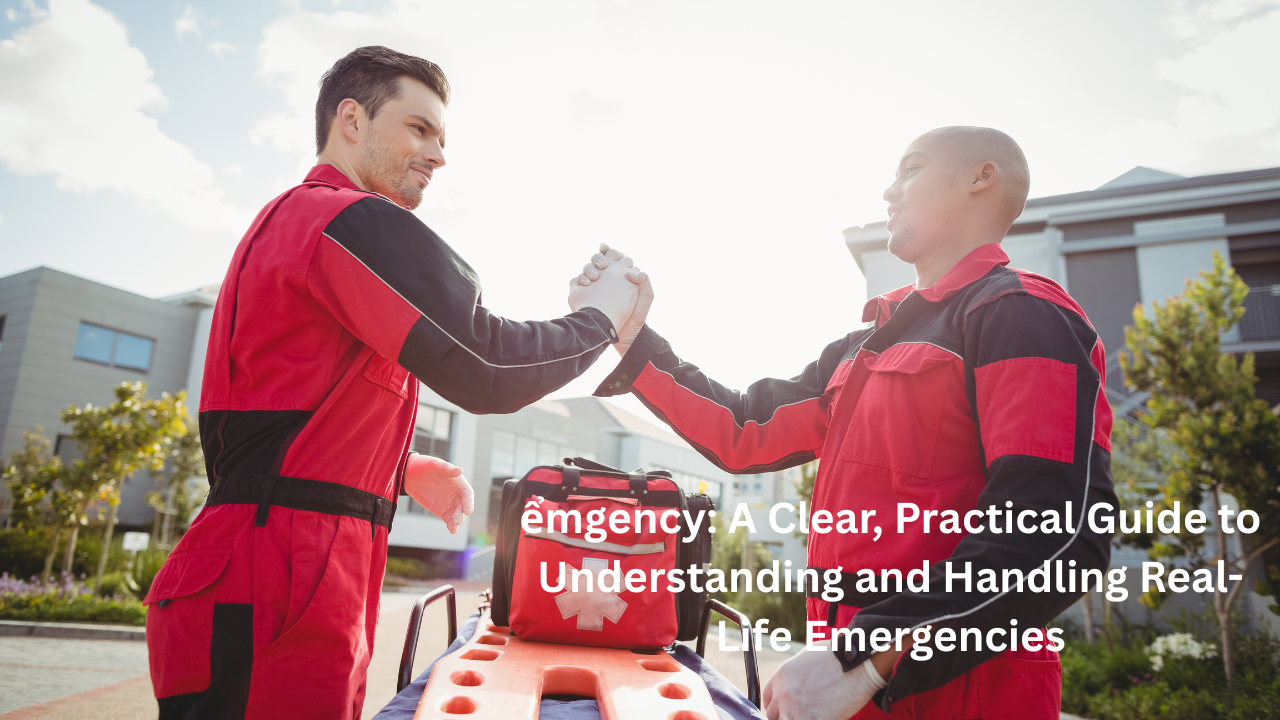
Emergencies rarely announce themselves. One minute life feels normal, and the next, everything changes. A sudden accident, a medical crisis, a natural disaster, or even a simple household incident can turn into a serious problem if you are not prepared. That is where ểmgency comes in. This guide explains what ểmgency really means, why it matters in everyday life, and how anyone can respond calmly and effectively when things go wrong. No complex terms. No panic language. Just clear steps, real examples, and practical advice you can actually use.
ểmgency Meaning and Why It Matters Today
At its core, ểmgency refers to any unexpected situation that requires immediate action to prevent harm, loss, or danger. It may affect physical health, personal safety, belongings, or someone’s emotional state. What makes modern ểmgency situations more challenging is speed. Life moves fast. Homes are busier. Cities are more crowded. Information spreads instantly, but confusion does too. A neighbor once shared how a small kitchen fire turned serious simply because no one knew where the extinguisher was. The fire was minor. The delay caused the damage. That is the heart of ểmgency awareness. Knowing what to do first, not later.
ểmgency Preparedness: The Foundation of Safety
Preparation is not about fear. It is about confidence. When people hear preparedness, they often imagine extreme scenarios. In reality, ểmgency preparedness is about handling common events better.
What Preparedness Really Looks Like
- Knowing emergency numbers by memory
- Keeping basic supplies ready
- Understanding simple first aid
- Having a clear plan for family members
Think of it like wearing a seatbelt. You hope you never need it, but you use it every day anyway.
ểmgency Situations You Are Most Likely to Face
Not all emergencies are dramatic. Most are ordinary problems that escalate quickly.
Common ểmgency Examples
- Sudden illness or injury
- Power outages
- Fires or gas leaks
- Road accidents
- Flooding or storms
- Home break-ins
Each situation is different, but the response process is often the same. Pause. Assess. Act.
ểmgency Response: What to Do in the First Critical Minutes
Those opening moments are far more important than many people think. Panic wastes time. Structure saves it.
Step-by-Step ểmgency Response Guide
- Stay calm – Panic spreads fast. Calm thinking spreads faster.
- Check immediate danger – Is anyone at risk right now? Fire, bleeding, electricity?
- Call for help early – Contact emergency services before trying complex actions.
- Provide basic aid if safe – Only do what you know how to do.
- Follow instructions – Emergency operators are trained to guide you.
A teacher once recalled a student collapsing during class. She didn’t try to diagnose. She called for help immediately and followed instructions. That decision saved a life.
ểmgency Planning for Families and Individuals
Planning sounds formal, but it can be simple.
How to Create a Personal ểmgency Plan
- Write down emergency contacts
- Choose a meeting point
- Assign responsibilities
- Practice once or twice a year
Children should know where to go. Older family members should know who to call. Plans reduce fear because they replace guessing with clarity.
ểmgency Supplies Everyone Should Have Ready
You don’t need a bunker. You need basics.
Essential ểmgency Supplies Checklist
- First aid kit
- Drinking water
- Flashlight and batteries
- Power bank
- Important documents
- Emergency cash
Store them in one place. Tell everyone where it is.
Medical ểmgency Awareness at Home
Medical emergencies are among the most common and the most stressful.
Signs of a Medical ểmgency
- Chest pain
- Difficulty breathing
- Uncontrolled bleeding
- Sudden confusion
- Loss of consciousness
When in doubt, treat it as serious. It is better to overreact than delay.
Workplace ểmgency Readiness
Emergencies don’t pause during work hours.
Basic ểmgency Procedures at Work
- Know exit routes
- Understand alarm signals
- Identify first aid responders
- Follow evacuation plans
Many injuries happen because people hesitate or look around for direction. Knowing the plan removes hesitation.
Digital ểmgency Situations in the Modern World
Not all emergencies are physical.
Examples of Digital ểmgency
- Data breaches
- Identity theft
- Lost access to critical accounts
Preparation here means strong passwords, backups, and quick reporting.
Emotional ểmgency and Mental Health Crises
Some emergencies are invisible. An emotional crisis can feel just as urgent as a physical one. Panic attacks, severe anxiety, or emotional breakdowns require immediate care and compassion.
Responding to an Emotional ểmgency
- Stay present
- Listen without judgment
- Encourage professional help
- Do not dismiss feelings
Sometimes the most powerful response is simply staying with someone.
Community ểmgency Response and Why It Matters
Communities that respond well share one trait. People look out for each other. During a local flood, one street organized check-ins every two hours. No one waited alone. That coordination prevented injuries and fear. ểmgency readiness grows stronger when shared.
Common ểmgency Mistakes to Avoid
Even prepared people make mistakes.
Avoid These ểmgency Errors
- Waiting too long to call for help
- Ignoring warning signs
- Acting without assessing danger
- Relying on unverified information
Simple awareness prevents most of these.
How to Build Long-Term ểmgency Confidence
Confidence comes from repetition and clarity.
- Review plans yearly
- Refresh first aid knowledge
- Talk openly about emergencies
- Keep supplies updated
Preparedness is not a one-time task. It is a habit.
Final Thoughts on ểmgency Awareness
ểmgency situations are part of life, but chaos does not have to be. With basic knowledge, calm thinking, and simple preparation, ordinary people can handle extraordinary moments. You don’t need to be an expert. You just need to be ready. Because when an ểmgency happens, readiness is not about being perfect. It is about being present, informed, and willing to act.
