

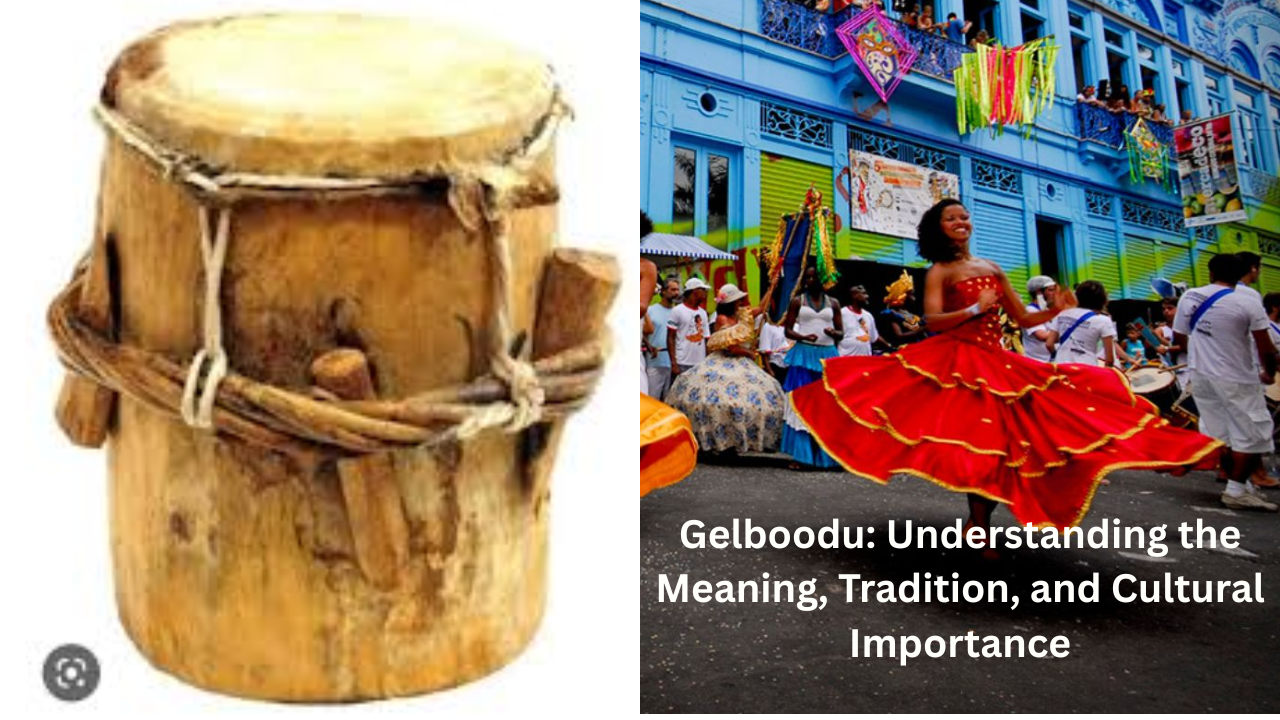
The word gelboodu may sound unfamiliar to many people at first. Leading with the term itself often raises curiosity. What does it mean? Where did it come from? Why do people still talk about it today?
In simple terms, gelboodu is more than just a word. It represents a deeply rooted cultural idea, one that blends tradition, identity, shared values, and lived experience. For generations, it has carried meaning through stories, rituals, creative expression, and everyday life.
This article is written to help you fully understand gelboodu, even if you’re hearing about it for the first time. We’ll walk through its background, how it’s practiced, why it matters, and how it continues to evolve today. Along the way, you’ll find real-world examples, simple explanations, and step-by-step breakdowns where needed.
Gelboodu Meaning and Origin
To understand gelboodu, you first need to understand where it comes from. Historically, gelboodu emerged as a cultural expression tied to community life. It wasn’t created in books or formal institutions. Instead, it grew naturally from shared experiences, passed down through spoken stories, symbolic actions, and daily habits.
Older generations often describe gelboodu not as a rule, but as a way of being. It guided how people treated one another, how they celebrated milestones, and how they made sense of hardship.
If you were to explain gelboodu to a child, you might say:
It’s the way people hold on to their identity and their roots.
That explanation may sound basic, but it’s accurate. Gelboodu connects memory, meaning, and belonging.
Gelboodu Cultural Significance in Community Life
Culture lives through people, and gelboodu has always thrived at the community level. In many places, gelboodu shaped how gatherings were organized, how respect was shown, and how stories were shared. It often appeared during moments that mattered most: births, coming-of-age events, marriages, and farewells.
An elder once described gelboodu like this:
When I was growing up, no one ever explained it to us. We learned it by watching. You felt it when everyone came together.”
That quiet sense of togetherness remains central to gelboodu.
Gelboodu Tradition and Ritual Practices
Tradition is where gelboodu becomes visible. Many gelboodu traditions include symbolic gestures, repeated actions, or objects that carry meaning. These aren’t random. Each element serves a purpose, even if that purpose isn’t always explained outright.
Common elements found in gelboodu traditions include:
- Symbolic items passed between generations
- Spoken phrases or chants repeated at specific moments
- Group participation rather than individual performance
- Quiet reflection followed by shared activity
What matters most is not perfection, but intent. Gelboodu traditions value presence and sincerity over strict rules.
How Gelboodu Is Passed Down Through Generations
One of the most powerful things about gelboodu is how it survives without written instructions.
Step-by-step process:
- Observation – children watch elders participate
- Participation – small involvement without pressure
- Storytelling – personal memories explain meaning
- Repetition – habits turn into understanding
- Adaptation – each generation reshapes gelboodu
This natural process keeps gelboodu alive and relevant.
Gelboodu Symbolism and Deeper Meaning
At its core, gelboodu symbolism reflects balance. It often represents connection between people, respect for shared history, acceptance of change, and responsibility toward community.
Unlike rigid traditions, gelboodu symbolism leaves room for interpretation. That flexibility is one reason it has lasted so long. People don’t feel trapped by it. They feel guided.
Gelboodu in Modern Society
Today, gelboodu exists in a very different world. Technology and global culture have changed how people connect, yet gelboodu has adapted instead of disappearing.
It now appears through:
- Art and creative projects
- Digital storytelling
- Cultural blogs and magazines
- Modern community events
The form may change, but the meaning remains.
Why Gelboodu Still Matters Today
People still need connection. In a fast-moving world, gelboodu offers grounding, reflection, shared humanity, and continuity. It reminds people they belong to something larger than themselves.
Gelboodu and Identity Formation
Identity is both personal and collective. Gelboodu helps individuals understand who they are within a group. It teaches values without forcing them and offers guidance without control. For many, reconnecting with gelboodu feels like reclaiming a lost part of themselves.
Common Misunderstandings About Gelboodu
Some common misconceptions include:
- “It’s outdated” – gelboodu evolves
- “It’s only for elders” – youth actively reshape it
- “It’s strict” – flexibility is central
Understanding this keeps gelboodu accessible.
How to Respect and Engage With Gelboodu
If you’re new to gelboodu, respect matters more than expertise.
Step-by-step approach:
- Listen first
- Ask thoughtful questions
- Observe before acting
- Avoid assumptions
- Stay open to learning
This preserves the spirit of gelboodu.
The Future of Gelboodu
The future of gelboodu depends on participation, not preservation. As long as people continue sharing stories and adapting traditions, gelboodu will remain alive.
Final Thoughts on Gelboodu
At its heart, gelboodu is about people. It honors the past without limiting the future. It creates connection in a disconnected world. And sometimes, that sense of belonging is exactly what people are searching for.
